CrewBee, multilingual risk assessments, and further optimizations for CrewBrain
| CrewBee – our digital assistant As early as the end of 2025, we were one of the first providers in the industry to enable full integration of CrewBrain via MCP server with any AI assistants. Now, we are even more excited to once again be pioneers in the industry with our fully-featured AI assistant, CrewBee. | 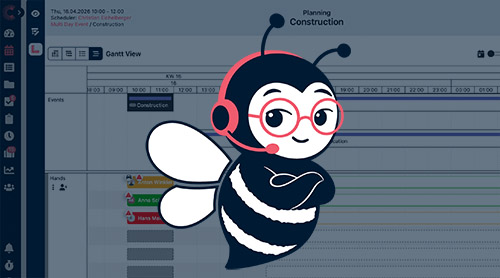 |
| Create & maintain data CrewBee is capable of creating and maintaining data in CrewBrain. Whether it’s a list with extended employee data, setting up new projects, or granting a general pay raise for employees – CrewBee checks and updates data from Excel sheets or natural language. | AI Summaries CrewBee creates a clear summary of all open topics for each project. Are there tasks still pending? Is there still staff missing? All of this is easy and quick to see, without having to painstakingly click through each part of the project. |
| Knowledge Mode In Knowledge Mode, CrewBee explains CrewBrain – not only in writing, but also directly on the interface by highlighting the functions you’re looking for, if needed. This way, CrewBee helps with the daily use of CrewBrain and also ensures that previously undiscovered features can help boost productivity. | Availability CrewBee is available in Knowledge Mode free of charge to all customers. If CrewBee is to evaluate, create, or update data, billing is transparent and based on actual usage – for this, prepaid credit can be loaded into CrewBrain. The AI project overview will also become a fixed part of our Enterprise plan and will be available there at no additional cost. |
| Permissions CrewBee is automatically available to all users in Knowledge Mode, replacing our previous support chat. For the advanced modes, including data creation, there is a new permission in the user groups to specify who should have access and who should not. | Further Info CrewBee – the AI assistant in CrewBrain | Short introduction (YouTube, 1:57 minutes) Introducing: CrewBee (YouTube, 11:37 minutes) |
| Risk Assessment Risk assessment is an extremely important part of any production. Due to the shortage of skilled workers, foreign-language employees and temps are increasingly being used, but they also need to be instructed and require access to the risk assessment. We have now finally solved exactly this point. | 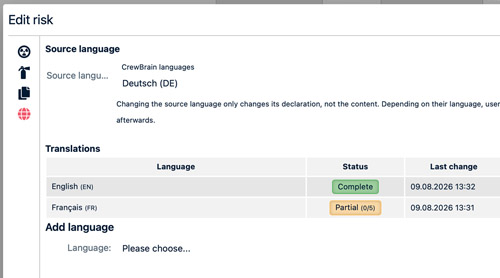 |
| Create translations First, for all existing data in the risk assessment, you need to define in which language it was recorded. This “standard language” determines which other languages the risks and entire assessments need to be translated into. Afterwards, the translations can be added for additional languages. | AI Translations For every language that is newly added, there is the option to receive an AI suggestion for the texts to be translated. This suggestion can then be individually adjusted. |
| Activity fields and factors The activity fields and risk factors can also be translated into all relevant languages, so this data is available to users in their respective language as well. | Accessing assessments When a user accesses a risk assessment, it will automatically be displayed in their language. If no translation is available for their language, the texts from the standard dataset will be shown – usually the company’s main language. |
| Mentions & Notifications To ensure important information reaches the right people, you can now mention others directly with @ in comments and descriptions, and thus include them specifically in communication. | 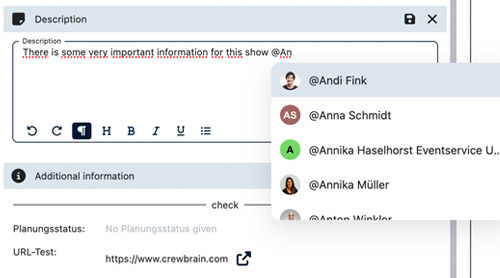 |
| Tag people In comments and descriptions, colleagues can now easily be mentioned with @. Just start typing the name and select the desired person from the suggestion list. | Automatic notifications When a person is mentioned, they can automatically receive a notification and are thus directly informed about the relevant comment or description – without a separate note or additional email. |
| Billing & Time Tracking As usual, we have once again made improvements in the area of billing & time tracking. In this update, the focus is primarily on our API and related adjustments. | 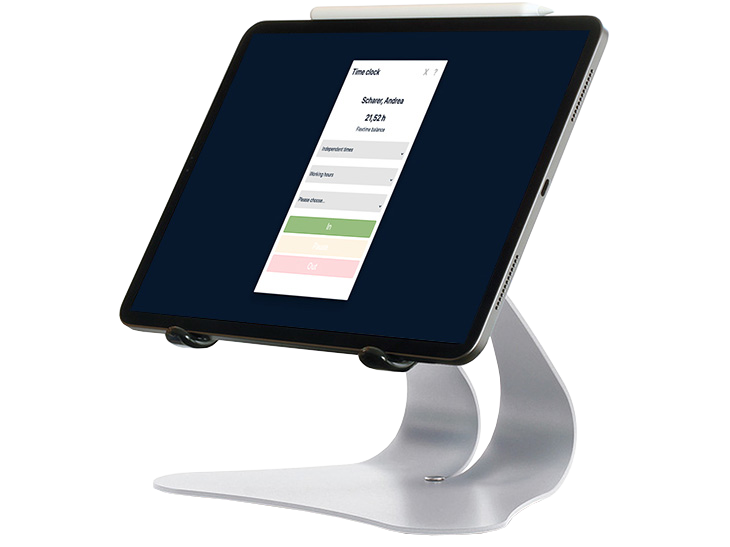 |
| Break Definitions The rules for deducting breaks are now stored in so-called break definitions. These only need to be set up once, not per employee, and any changes can be applied en bloc for all employees as of a certain date. | Capping Definitions As with breaks, we have also moved capping rules into their own definitions. These can now be defined globally once in the administration and then reused in the billing periods. |
| API Endpoints for Billing Periods CrewBrain now offers API endpoints through which billing periods for employees, freelancers, and service providers can be created and edited. This now makes it possible to carry out general pay increases and other broad-based adjustments. |
| Further Adjustments As usual, we have also made further adjustments in this version, which we do not want to leave unmentioned here: | 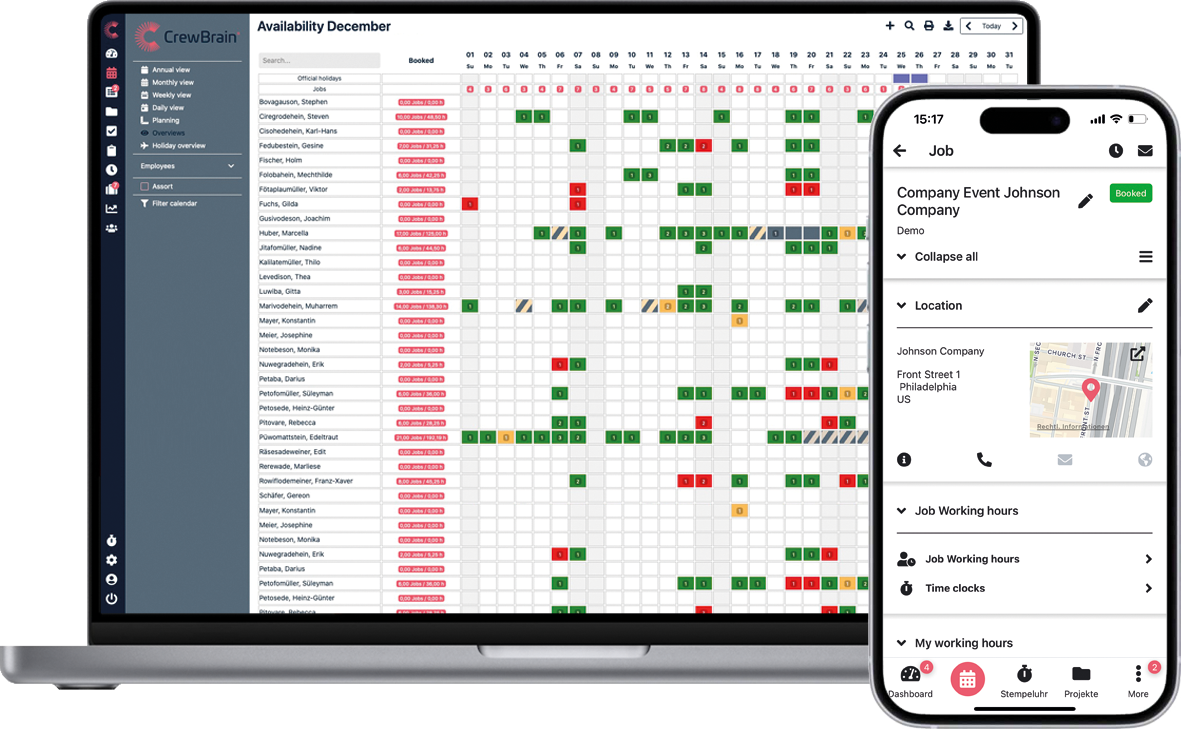 |
| CrewBrain is now available in Portuguese and Swedish – and more languages will follow in the coming months. When deactivating resources, they can now be automatically removed from already scheduled jobs if desired. When assigning resources in shift planning, an individual start date can now be specified for each resource. | |
| CrewBrain Connect We want to involve our customers even more in the further development and give them the opportunity to actively shape the future of CrewBrain. For this reason, we are organizing our event “CrewBrain Connect” for the first time this year under the motto: Share experiences. Experience CrewBrain. Get first-hand information, share your experience with CrewBrain, and work with us on roadmap topics on November 17 & 18, 2026. All information about the event can be found at connect.crewbrain.com. | 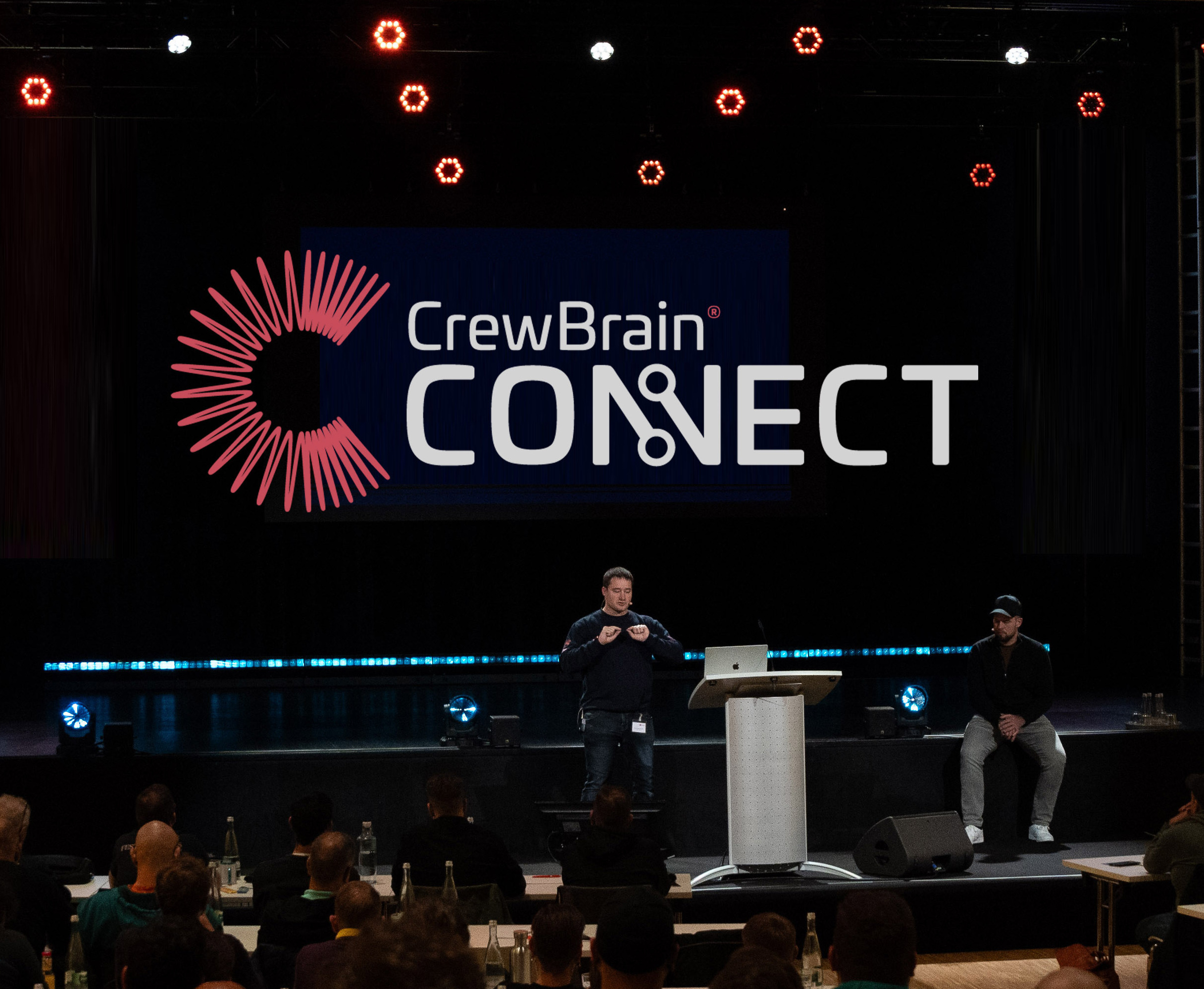 |
This post is also available in de_DE.